Is your AC not blowing cold air? You’re not alone. This is one of the most common HVAC problems homeowners face during Chicago’s hot and humid summers.
At American Weathermakers, we’ve been Northbrook’s HVAC experts for more than 70 years. Below, we’ll cover seven common reasons your AC may not be cooling properly and a few quick fixes you can try before scheduling a professional service.
Most Common Causes of AC Not Blowing Cold Air
If you’re wondering, “Why is my AC not blowing cold air?”, here are seven of the most common culprits:
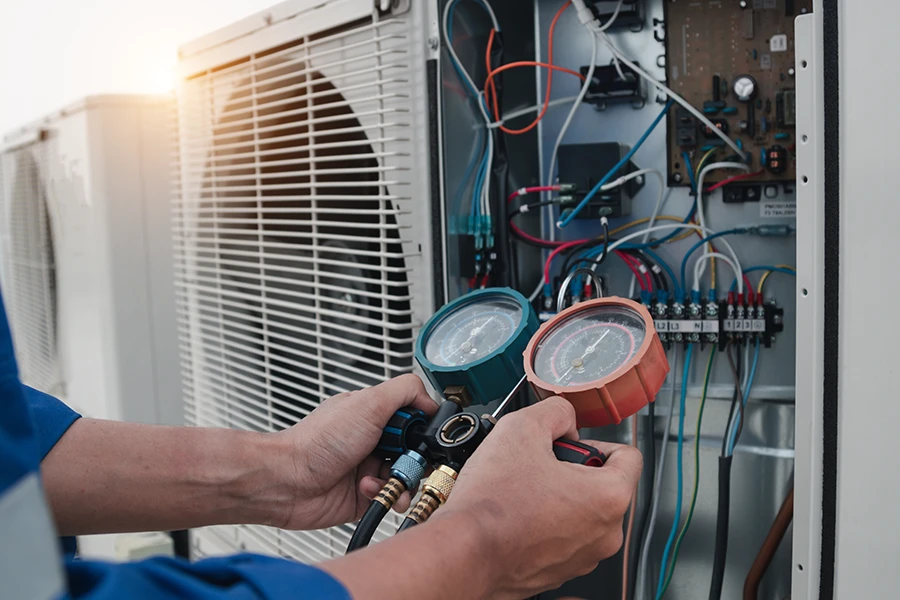
Refrigerant Leaks and Low Coolant Levels
Refrigerant is what your air conditioner uses to remove heat from your home. If refrigerant levels are low because of a leak, your system may run continuously without producing cold air.
Common signs of low coolant levels include:
- Warm air coming from vents
- Ice buildup on refrigerant lines
- Hissing sounds near the unit
- Higher energy bills
Refrigerant leaks are one of the most serious causes of an AC not blowing cold air. It requires special handling and licensing and should always be performed by a qualified HVAC technician.
Dirty or Clogged Air Filters
A dirty air filter is one of the most common reasons an AC unit is not blowing cold air. Restricted airflow makes it harder for your system to circulate cool air throughout your home.
During Chicago’s allergy and pollen seasons, filters can become clogged more quickly than many homeowners expect. Check your filter monthly and replace it if it appears dirty or blocked.
Frozen Evaporator Coils
Frozen evaporator coils are especially common in humid climates like Chicago. It can prevent your air conditioner from cooling properly and is often caused by restricted airflow, dirty filters, or low refrigerant levels.
Signs of frozen coils include:
- Ice on indoor components
- Reduced airflow
- Warm air from vents
- Water around the indoor unit
If you notice ice buildup, turn off the cooling system and allow it to thaw before calling for professional service.
Insufficient Cooling Capacity
An AC working but not blowing cold air may mean that your unit is too small for your home’s cooling needs.
This issue is especially common during North Shore’s hot, humid summers when systems must work harder to keep up.
A professional HVAC assessment can determine if a properly sized replacement is the best solution.
Failing Compressor
The compressor is the heart of your air conditioning system. If it’s failing, the system can’t cool effectively even if other components appear to be working normally.
Signs of compressor problems include:
- Warm air despite normal operation
- Strange noises from the outdoor unit
- Frequent breaker trips
- Reduced cooling performance
In some cases, a compressor failure may require professional replacement or major repairs.
Age-Related Efficiency Loss
As air conditioners age, they naturally lose efficiency. Even if nothing is technically broken, older systems often struggle to keep up with modern cooling demands.
Most central air conditioners last between 10 and 15 years with proper maintenance. If your unit is approaching that age range, a replacement may be more cost-effective than recurring repairs.
Ductwork and Airflow Problems
Leaky ducts, blocked vents, and other airflow restrictions can prevent cool air from reaching your living spaces, even when your AC is working properly.
Common causes include:
- Closed or blocked vents
- Damaged ductwork
- Air leaks in attics or crawl spaces
- Dirty ducts
Poor airflow can reduce comfort, force your system to work harder, and increase energy costs.
Quick Troubleshooting Steps You Can Try First
If your AC is working but not blowing cold air, here are a few simple checks you can safely perform before scheduling service:
Check Your Thermostat Settings
Start by checking your thermostat. Make sure:
- The thermostat is set to Cool, not Heat or Fan Only
- The temperature is set several degrees below the current room temperature
- The fan is set to Auto rather than On
- The display is working properly
Simple thermostat issues are often overlooked, but can quickly cause an AC unit in the house not to blow cold air.
Inspect and Replace Air Filter
If your AC is working but not blowing cold air, inspect the air filter next. A clogged filter restricts airflow and can cause multiple cooling problems. Replacing a dirty filter is inexpensive and often restores proper performance.
Many Chicago-area homes benefit from changing filters every one to three months, depending on pets, allergies, and indoor air quality needs.
Examine Circuit Breakers and Power Supply
Check your electrical panel to ensure the breaker for the air conditioning system hasn’t tripped.
If the breaker repeatedly trips after being reset, stop troubleshooting and contact a professional. Repeated electrical issues may indicate a more serious problem that requires immediate attention.
System-Specific Problems and Solutions
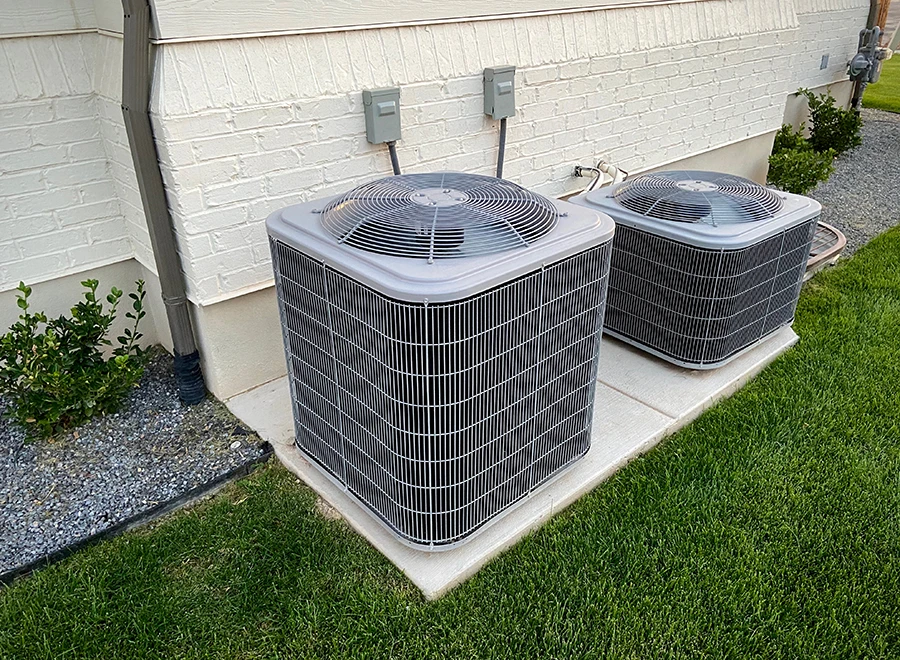
The cause of an AC not blowing cold air can vary depending on the type of HVAC system you have. Here are common system-specific cooling problems:
Central Air Conditioning Units
If your central AC unit is not blowing cold air, the issue may involve:
- Refrigerant levels
- Compressor performance
- Dirty condenser coils
- Ductwork leaks
- Thermostat communication problems
Routine AC maintenance services can help identify these issues before they lead to costly breakdowns.
Window and Portable AC Units
Window and portable units often experience cooling problems due to:
- Dirty filters
- Improper installation
- Blocked airflow
- Undersized equipment
Because these units have limited cooling capacity, performance issues become more noticeable during periods of extreme heat and humidity.
Ductless Mini-Split Systems
Ductless systems offer excellent efficiency but still require regular maintenance.
Common mini-split issues include:
- Dirty indoor units
- Refrigerant leaks
- Sensor malfunctions
- Drainage problems
Professional inspections can help keep multi-zone systems operating efficiently throughout the summer.
When To Call a Professional HVAC Technician
Some air conditioning issues can be resolved with simple troubleshooting, while others require professional repairs.
If you’ve checked your thermostat, replaced the air filter, and verified the power supply, but your AC is still not blowing cold air, it’s time to call a qualified HVAC technician.
Emergency Situations Requiring Immediate Service
Contact a technician right away if you notice:
- Burning smells
- Electrical sparking
- Refrigerant leaks
- Complete system failure
- Repeated breaker trips
In these situations, prompt repairs can help prevent additional damage and safety risks. At American Weathermakers, we offer emergency HVAC services for urgent issues.
Routine Maintenance and Preventive Care
Regular maintenance helps prevent breakdowns and keeps your system running efficiently. Annual tune-ups and routine filter changes can improve performance, lower energy bills, and extend the life of your air conditioner.
Repair vs. Replacement Decision Factors
If your AC is more than 10–15 years old, needs frequent repairs, or has a major component failure, replacement may be more cost-effective than repair. A professional inspection can help you compare repair costs, energy savings, and available financing options before making a decision.
Get Expert AC Repair From American Weathermakers
If your AC is blowing cool air but not cold, or the system has stopped cooling entirely, American Weathermakers can help. Our experienced technicians diagnose cooling problems quickly and provide honest recommendations for repair or replacement.
Schedule an appointment today to get started.
Frequently Asked Questions
Why is my AC blowing warm air instead of cold air?
Common causes of an AC not blowing cold air include dirty air filters, frozen coils, low refrigerant levels, or compressor problems. Start by checking the air filter and thermostat settings.
How long should I wait before calling for AC repair?
If basic troubleshooting doesn’t solve the problem within a few hours, schedule professional service right away to prevent additional damage.
Can I fix an AC that is not cooling properly?
Homeowners can safely replace filters, check thermostat settings, and inspect breakers. Refrigerant, electrical, and mechanical repairs should be handled by licensed professionals.
What’s the average cost to repair an AC that’s not blowing cold air?
Repair costs typically range from $150 to $800, depending on the issue. Refrigerant leaks, compressor repairs, and major component replacements generally cost more. Our team will provide an honest estimate after inspection.